The term "the best 70s bands" refers to the most popular and influential rock bands that emerged during the 1970s. These bands are widely recognized for their innovative music, iconic performances, and lasting impact on the music industry.
The 1970s was a pivotal decade for rock music, as new genres and subgenres emerged, challenging the status quo and pushing the boundaries of musical expression. Bands such as Led Zeppelin, Pink Floyd, The Rolling Stones, The Eagles, Queen, and Fleetwood Mac rose to prominence during this time, captivating audiences with their distinct sounds and unforgettable live performances.
The best 70s bands left an indelible mark on music history. Their music continues to inspire and influence artists and music lovers alike, solidifying their place as icons of rock and roll. Exploring the history, impact, and enduring legacy of these bands provides a deeper understanding of the evolution of rock music and its cultural significance.
The Best 70s Bands
The best 70s bands left an indelible mark on music history. Their music continues to inspire and influence artists and music lovers alike, solidifying their place as icons of rock and roll. Here are eight key aspects that explore various dimensions of their enduring legacy:
- Innovation: Pioneering new sounds and pushing musical boundaries
- Influence: Inspiring countless artists and shaping the course of rock music
- Live Performances: Captivating audiences with unforgettable live shows
- Cultural Impact: Reflecting and shaping the social and cultural landscape of the 1970s
- Album Classics: Creating timeless albums that continue to be celebrated and enjoyed
- Hit Singles: Crafting iconic songs that became anthems of the era
- Legacy: Maintaining relevance and inspiring generations of musicians
- Diversity: Spanning a wide range of musical styles and genres
These key aspects are interconnected and interdependent, contributing to the overall greatness of the best 70s bands. Their innovative spirit, combined with their ability to connect with audiences on an emotional level, has ensured their enduring popularity and influence. From the groundbreaking albums of Led Zeppelin to the anthemic hits of Queen, the best 70s bands continue to captivate and inspire music lovers around the world.
Innovation
Innovation was a defining characteristic of the best 70s bands. They constantly pushed the boundaries of rock music, experimenting with new sounds, techniques, and technologies to create a diverse and groundbreaking body of work.
- Genre-Bending: Bands like Led Zeppelin and Pink Floyd seamlessly blended elements of rock, blues, folk, and psychedelic music, creating a unique and captivating sound that defied categorization.
- Extended Song Structures: Progressive rock bands such as Yes and Rush crafted complex and lengthy compositions, featuring intricate instrumental passages, multiple movements, and extended solos.
- Studio Experimentation: Bands like The Beatles and The Beach Boys embraced studio technology, using overdubbing, sound effects, and tape loops to create lush and experimental soundscapes.
- Live Improvisation: Many 70s bands, including the Grateful Dead and Allman Brothers Band, were renowned for their extended live improvisations, allowing for spontaneous musical exploration and audience interaction.
The innovative spirit of the best 70s bands left an indelible mark on rock music. Their willingness to experiment and push boundaries paved the way for new genres and styles, and their influence continues to inspire musicians and music lovers to this day.
Influence
The best 70s bands were not only pioneers and innovators, but also hugely influential figures in the music world. Their music inspired countless artists and shaped the course of rock music for decades to come.
One of the key reasons for their influence was their ability to connect with audiences on an emotional level. Their music was often personal and introspective, dealing with themes of love, loss, and the human condition. This resonated with listeners and helped to create a loyal and passionate fan base.
Another factor that contributed to their influence was their technical proficiency. Many of the best 70s bands were virtuoso musicians, and their complex and intricate playing inspired a generation of young musicians to pick up their instruments and learn to play.
The influence of the best 70s bands can still be seen today. Many of their songs have become classic rock staples, and their music continues to be played and enjoyed by people all over the world. They helped to define the sound of rock music and their influence can be heard in the music of countless bands that came after them.Understanding the influence of the best 70s bands is important for anyone who wants to learn about the history of rock music. Their music was groundbreaking and innovative, and it helped to shape the sound of rock music for decades to come.
Live Performances
Live performances were an integral part of the experience of the best 70s bands. In an era before music videos and the internet, live shows were the primary way for bands to connect with their fans and build a following. The best 70s bands were known for their electrifying live performances, which often featured extended improvisations, elaborate stage shows, and a palpable sense of connection between the band and the audience.
One of the key factors that made the best 70s bands so captivating live was their ability to improvise and adapt their songs on the fly. This was especially true of jam bands like the Grateful Dead and Allman Brothers Band, who were known for their marathon live shows that featured extended improvisational passages. These improvisations allowed the bands to connect with their audience on a deeper level and create a unique and unrepeatable experience for each show.
Another important aspect of the best 70s bands' live performances was their stage presence. Bands like Led Zeppelin and Queen were known for their elaborate stage shows, which often featured pyrotechnics, costume changes, and other theatrical elements. These stage shows helped to create a sense of spectacle and excitement, and they further cemented the bands' status as rock and roll icons.
The best 70s bands understood the importance of live performance, and they used it to their advantage to build a loyal following and create a lasting legacy. Their live performances were an essential part of their overall success, and they helped to define the era of rock and roll.
Cultural Impact
The best 70s bands were not just musical innovators and performers; they were also cultural icons who reflected and shaped the social and cultural landscape of the 1970s. Their music, lyrics, and lifestyles resonated with the zeitgeist of the era, capturing the hopes, dreams, and anxieties of a generation.
- Soundtracks of Social Change: Bands like Bob Dylan and Joan Baez became symbols of the anti-war and civil rights movements, using their music to raise awareness and inspire social change.
- Fashion and Style: The flamboyant and androgynous fashion of bands like David Bowie and Glam Rock reflected the era's embrace of individuality and self-expression.
- Drug Culture and Psychedelia: The psychedelic sounds of bands like Jimi Hendrix and Pink Floyd mirrored the widespread experimentation with drugs and the counterculture movement of the time.
- Economic and Political Discontent: The lyrics of bands like The Rolling Stones and The Who often expressed the disillusionment and frustration felt by many during a period of economic recession and political unrest.
The best 70s bands were more than just entertainers; they were cultural commentators and agents of change. Their music and image reflected the tumultuous and transformative era of the 1970s, and they continue to inspire and influence artists and audiences to this day.
Album Classics
The creation of timeless album classics was an essential component of the success and enduring legacy of the best 70s bands. In an era where album-oriented rock dominated the music landscape, bands poured their heart and soul into crafting cohesive and thematically rich bodies of work that showcased their musical prowess and artistic vision.
Album classics like Led Zeppelin IV, Pink Floyd's The Dark Side of the Moon, and Fleetwood Mac's Rumours transcended the boundaries of mere song collections. They were carefully sequenced and meticulously produced to create immersive and unforgettable listening experiences. These albums showcased the bands' ability to craft memorable songs, experiment with different sounds and styles, and deliver a cohesive and satisfying musical journey.
The creation of album classics was not just a matter of artistic ambition; it was also a strategic move in the music industry. In the pre-internet era, albums were the primary way for bands to reach and engage with their fans. A strong album could establish a band's identity, build a loyal following, and drive sales. Bands that consistently released high-quality albums were able to maintain their popularity and relevance over extended periods of time.
The best 70s bands understood the importance of creating album classics, and their enduring success is a testament to their dedication to their craft. These albums continue to be celebrated and enjoyed by fans around the world, solidifying the bands' status as icons of rock and roll.
Hit Singles
Hit singles were a defining characteristic of the best 70s bands. These songs were not just commercial successes; they were cultural touchstones that captured the spirit of the era and became anthems for generations of fans. Bands like Queen, Led Zeppelin, and The Rolling Stones all had a knack for crafting hit singles that were both catchy and meaningful, resonating with audiences on a deep level.
There are several reasons why hit singles were so important for the best 70s bands. First, they helped to establish the bands' identities and build a loyal fan base. A well-written and well-performed hit single could introduce a band to a wide range of listeners and create a buzz that would lead to increased album sales and concert attendance. Second, hit singles provided a way for bands to connect with their fans on an emotional level. These songs often dealt with universal themes such as love, loss, and rebellion, and they spoke to the hopes and dreams of a generation. Finally, hit singles helped to define the sound of the 70s. The best 70s bands were able to create hit singles that were both innovative and accessible, and these songs helped to shape the era's musical landscape.
The ability to craft hit singles was a key factor in the success of the best 70s bands. These songs helped to establish the bands' identities, build a loyal fan base, and connect with audiences on an emotional level. They also helped to define the sound of the 70s and continue to be enjoyed by fans around the world.
Legacy
The enduring legacy of the best 70s bands is a testament to their timeless music, cultural impact, and lasting influence on generations of musicians. Their ability to maintain relevance and inspire new artists is a key aspect of their enduring greatness.
- Continuing Influence: The music of the best 70s bands continues to be covered, reinterpreted, and sampled by contemporary artists, demonstrating their lasting impact on the musical landscape.
- Inspirational Role Models: Many of the best 70s bands have become iconic figures in rock and roll history, inspiring countless musicians to pick up instruments and pursue their own musical dreams.
- Evolution of Music: The innovative and experimental spirit of the best 70s bands has influenced the evolution of rock music, inspiring new genres, styles, and techniques.
- Cultural Impact: The music and image of the best 70s bands continue to resonate with audiences, reflecting the social and cultural changes of the era and inspiring new generations of fans.
The legacy of the best 70s bands is not just about their past achievements, but also about their continued relevance and influence in the present day. Their music, their style, and their spirit continue to inspire and shape the world of rock and roll.
Diversity
The diversity of the best 70s bands is a key factor in their enduring popularity and influence. These bands spanned a wide range of musical styles and genres, from hard rock and heavy metal to folk, blues, and reggae. This diversity allowed them to appeal to a wide range of audiences and create a lasting impact on the music world.
- Rock: Bands like Led Zeppelin, Deep Purple, and Black Sabbath were at the forefront of the hard rock and heavy metal movements. Their music was characterized by powerful guitar riffs, pounding drums, and soaring vocals.
- Folk: Bob Dylan, Joan Baez, and Simon & Garfunkel were some of the most popular folk artists of the 1970s. Their music was often acoustic-based and featured introspective lyrics.
- Blues: B.B. King, Muddy Waters, and Buddy Guy were legendary blues musicians who continued to perform and record in the 1970s. Their music was characterized by its soulful vocals and intricate guitar playing.
- Reggae: Bob Marley and the Wailers popularized reggae music around the world in the 1970s. Their music was characterized by its relaxed rhythms, uplifting lyrics, and infectious melodies.
The diversity of the best 70s bands is a testament to the richness and vitality of the rock music scene during that era. These bands were not afraid to experiment with different styles and genres, and their music continues to inspire and influence artists and audiences to this day.
FAQs about "the best 70s bands"
This section provides answers to frequently asked questions about the best 70s bands. These questions and answers are designed to clarify common misconceptions and provide a deeper understanding of the topic.
Question 1: What are the defining characteristics of the best 70s bands?
The best 70s bands are widely recognized for their innovative music, iconic performances, and lasting impact on the music industry. They were known for pushing musical boundaries, experimenting with new genres, and creating timeless albums and hit singles.
Question 2: What are some of the most influential 70s bands?
Some of the most influential 70s bands include Led Zeppelin, Pink Floyd, The Rolling Stones, The Eagles, Queen, and Fleetwood Mac. These bands helped to shape the sound of rock music and continue to inspire artists and audiences worldwide.
Question 3: How did the 70s bands impact popular culture?
The best 70s bands had a significant impact on popular culture. Their music, fashion, and lifestyles reflected the social and cultural changes of the era. They were symbols of rebellion, individuality, and self-expression, and their influence can still be seen in contemporary music and culture.
Question 4: What are some of the most iconic albums released by 70s bands?
Some of the most iconic albums released by 70s bands include Led Zeppelin IV, Pink Floyd's The Dark Side of the Moon, Fleetwood Mac's Rumours, and The Eagles' Hotel California. These albums are considered masterpieces of rock music and continue to be celebrated and enjoyed by fans around the world.
Question 5: How did the 70s bands contribute to the evolution of rock music?
The best 70s bands played a vital role in the evolution of rock music. They experimented with new sounds, techniques, and technologies, pushing the boundaries of the genre. Their innovative spirit and willingness to take risks helped to shape the sound of rock music and inspire future generations of musicians.
Question 6: What is the legacy of the best 70s bands?
The legacy of the best 70s bands is immense. Their music continues to be played and enjoyed by fans around the world. They are credited with inspiring countless artists and shaping the course of rock music. Their influence can still be heard in contemporary music and culture, and their iconic albums and hit singles remain timeless classics.
These FAQs provide a brief overview of some of the most common questions about the best 70s bands. By understanding the answers to these questions, readers can gain a deeper appreciation for the impact and legacy of these iconic bands.
Proceed to the next section to explore further insights into the best 70s bands.
Tips for Understanding and Appreciating the Best 70s Bands
To fully understand and appreciate the best 70s bands, consider the following tips:
Tip 1: Listen to their music: The best way to appreciate the music of the best 70s bands is to listen to it. Immerse yourself in their albums and singles, paying attention to the instrumentation, vocals, and songwriting. Explore their entire discography to gain a comprehensive understanding of their musical evolution.
Tip 2: Learn about their history and context: Understanding the historical and cultural context in which these bands emerged can enhance your appreciation for their music. Research their influences, the social and political climate of the time, and the events that shaped their sound and lyrics.
Tip 3: Read books and articles: Delve deeper into the world of the best 70s bands by reading books, articles, and interviews. These resources provide insights into their creative process, personal lives, and the impact they had on the music industry.
Tip 4: Watch documentaries and live performances: Documentaries and live performance recordings offer a visual and auditory experience that can bring the best 70s bands to life. Observe their stage presence, musicianship, and interaction with their audience to gain a fuller appreciation for their artistry.
Tip 5: Attend tribute concerts: Many contemporary musicians and bands pay homage to the best 70s bands through tribute concerts. Attending these concerts allows you to experience their music performed live by talented artists who share their passion for this era.
Tip 6: Explore their influence: The best 70s bands had a profound impact on subsequent generations of musicians. Listen to artists who cite them as influences to trace their musical lineage and appreciate the enduring power of their music.
By following these tips, you can deepen your understanding and appreciation for the best 70s bands. Their music, artistry, and cultural impact continue to resonate, offering a timeless and enriching musical experience.
Conclusion
In exploring the topic of "the best 70s bands," we have delved into the defining characteristics, influence, cultural impact, and enduring legacy of these iconic acts. From their innovative music and captivating live performances to their timeless albums and hit singles, these bands left an indelible mark on the music industry and popular culture.
The best 70s bands continue to inspire and influence artists and audiences worldwide. Their music transcends time and remains a source of joy, inspiration, and cultural significance. By understanding, appreciating, and preserving their legacy, we celebrate the enduring power of great music and its ability to shape and reflect the human experience.
Nora Odonnell Husband
Jenny Niedhart
Alex Hormozi Net Worth
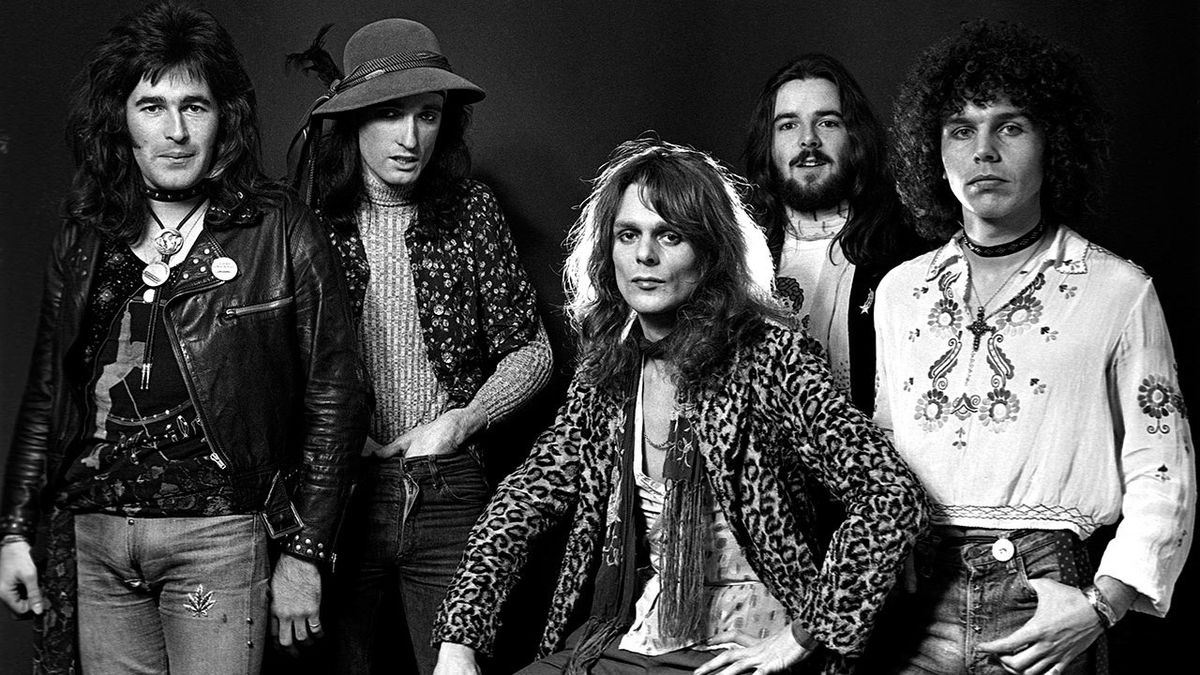
The 10 Best 70s Glam Songs Louder
:max_bytes(150000):strip_icc()/music-file-photos---the-1970s---by-chris-walter-76183390-5bc75117c9e77c0051be45f5.jpg)
The Top 50 Classic Rock Bands
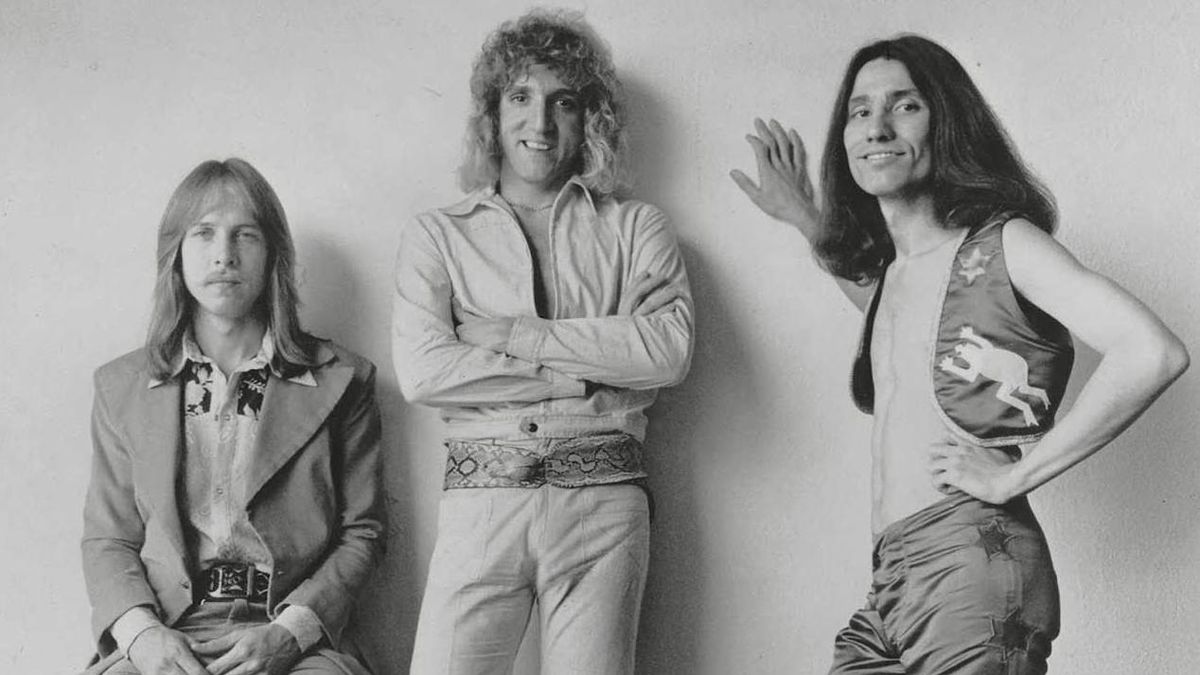
70s bands 10 obscure but brilliant bands who should have been huge
ncG1vNJzZmialae4orSNm6Ooml6YvLOxjbCgp5yfrMBvusStZpyfnprEtHvToZxmmpWowW6Dj6xkm5memcBvtNOmow%3D%3D